
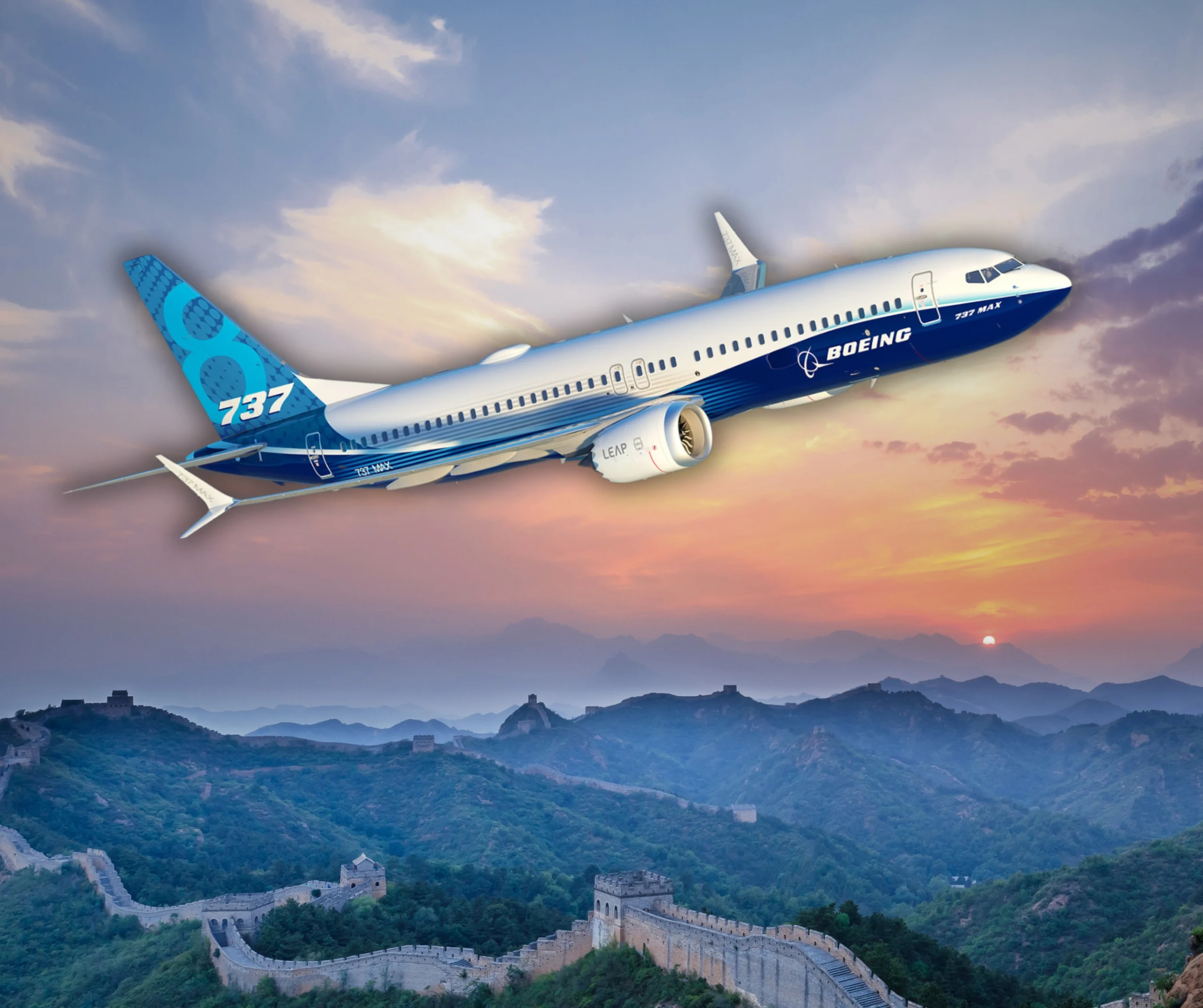
Boeing is in active talks with China on a deal for as many as 500 commercial jets. Both sides are still working through which models will be included and when they would be delivered. If this goes ahead, it would be China’s first major Boeing order since 2017. Boeing has not commented publicly on the negotiations.
Why this matters
China is the second largest aviation market in the world and it is still growing. A purchase on this scale would reset Boeing’s position in the country after years of stalled sales. It would also help narrow the gap with Airbus, which has pulled well ahead in China while Boeing dealt with the 737 MAX grounding and trade tensions.
The backdrop since 2017
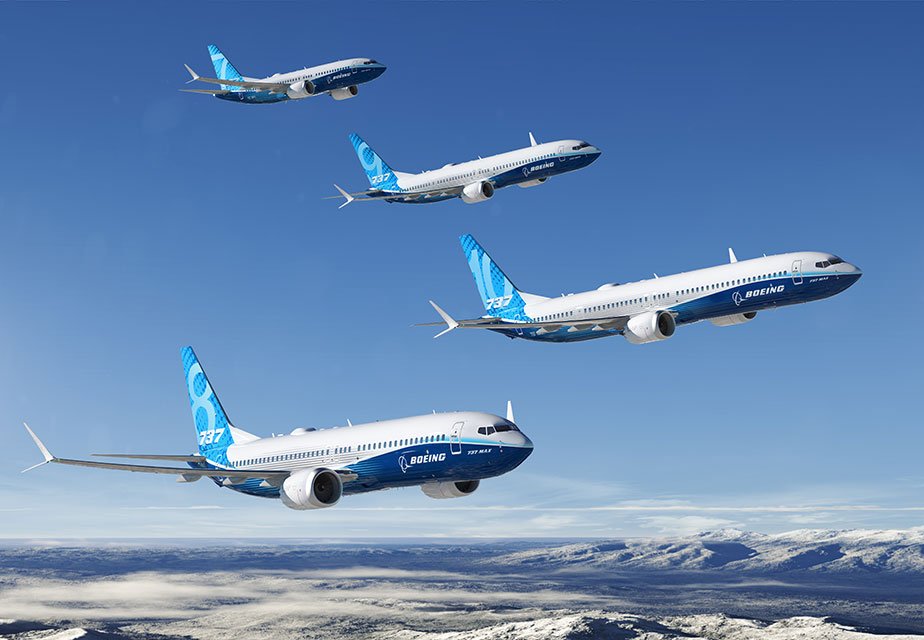
The last big headline order for Boeing in China came in 2017 during a U.S. presidential visit. In 2019, China was the first country to ground the 737 MAX after two fatal accidents. The MAX did not return to Chinese airline service until much later than in other regions, which froze new sales conversations for a long time.
Even after the MAX returned to service, wider trade friction created another roadblock. For a period, Chinese airlines were not taking delivery of newly built Boeing jets. That began to ease in 2025 when duties were rolled back and airlines were told they could accept U.S. made aircraft again. Since then, stored aircraft have started to flow and the door opened to bigger talks.
Airbus moved first
While Boeing was on the sidelines, Airbus pushed ahead. In 2022, China’s three big state airlines placed a combined order for almost 300 A320neo family aircraft. That one move captured how strong Airbus had become in China and how far Boeing had fallen behind during the MAX and trade years.
What the Chinese market looks like today
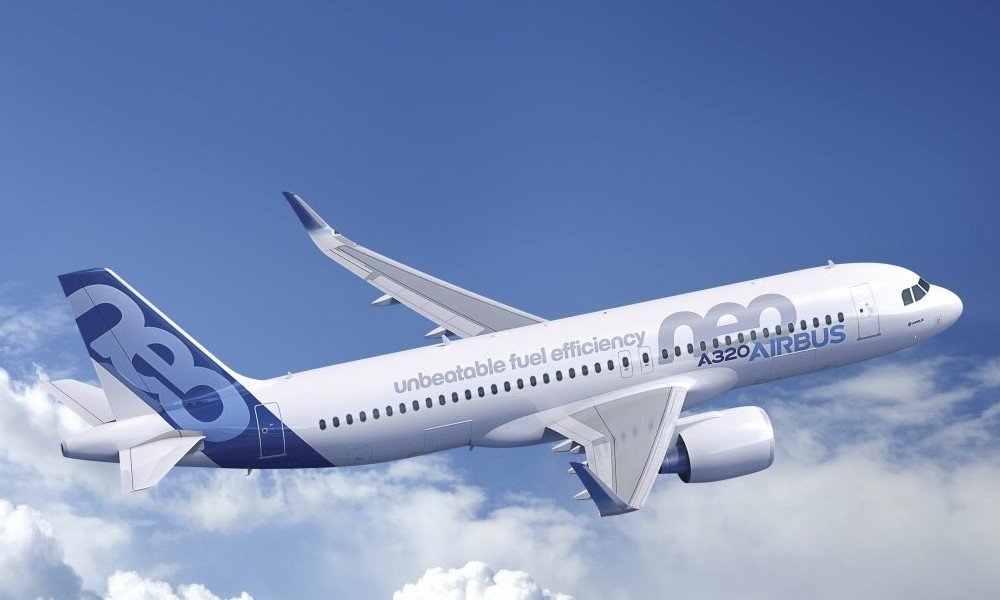
Narrowbody aircraft do most of the flying inside China. Airbus has the edge here. For the current month, Airbus jets are operating about 244,500 domestic flights in China. Boeing jets are operating about 186,800. By seats, Airbus provides roughly 42.8 million seats on domestic routes while Boeing provides about 32.9 million. By available seat miles, Airbus is at about 36.27 billion and Boeing at about 26.77 billion.
Drilling down a bit more
- The Airbus A320 family is everywhere. The A320-200 alone operated about 141,494 domestic flights this month.
- Boeing’s workhorse is the 737-800, with around 115,204 domestic flights. That is about six in ten Boeing flights in China this month.
- On the widebody side, Boeing’s 787-9 is the top performer with about 4,158 domestic flights.
- Among Chinese airlines, China Southern is the busiest operator of Boeing aircraft this month with roughly 26,346 Boeing flights.
China is also growing its own manufacturer, COMAC. Its aircraft fly a small share of the total domestic market for now. Most seats and flights remain on fleets from Airbus and Boeing.
What planes could be in the deal
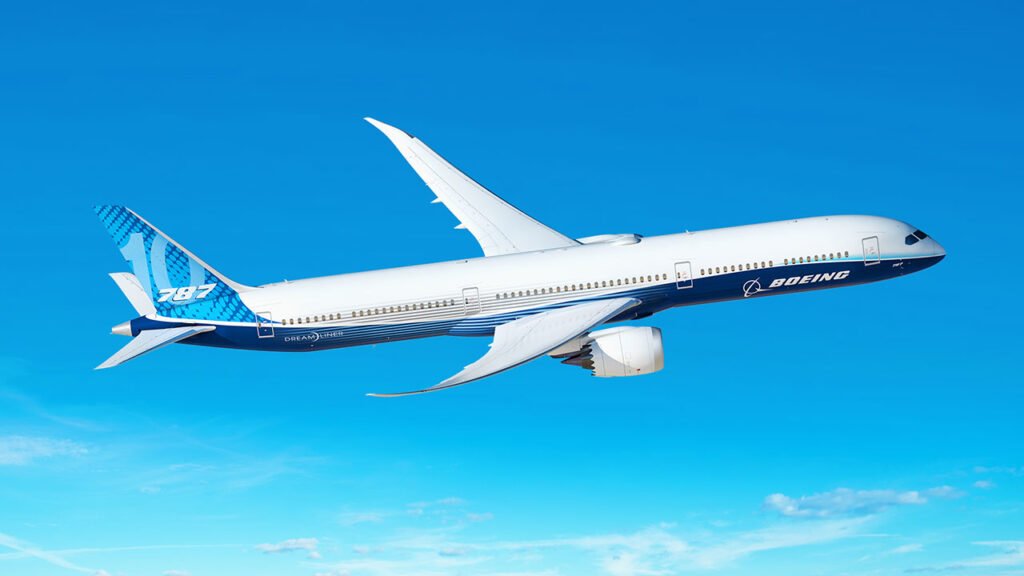
The final mix is not set. It is reasonable to expect a large share of single aisle aircraft for domestic and regional growth. That likely points to the 737 MAX family. For long haul growth, Chinese airlines commonly use the 787 Dreamliner and the A350. Boeing’s 787 could be part of the conversation. The 777X is still moving toward certification, so any interest there would be for later deliveries and is less certain.
Delivery timing
Even very large orders are delivered in stages. Production slots at both Boeing and Airbus are heavily booked into the later years of this decade and into the next. If the deal is signed, expect a multi year schedule that blends new production with any undelivered aircraft already in Boeing’s inventory for Chinese customers.
What to watch next
- Clear signals from Beijing and from the major state airlines about fleet plans and timing
- Any public guidance from the civil aviation regulator in China about aircraft acceptance and certification steps
- Signs that deliveries from Boeing to Chinese airlines are accelerating again
- The broader trade mood between the United States and China, since a deal this large usually sits inside a wider political context
The bottom line
Talks for up to 500 jets would be a major reset for Boeing in China and a big moment for global aviation. The numbers show Airbus on top in Chinese skies today. A deal of this size would not flip that overnight, but it would give Boeing a path to compete again in the world’s fastest growing aviation market.